Enhanced quality assurance
Cleanliness Inspection
ScanTank's Cleanliness Inspection System gives producers, cleaning stations, depots and carriers a repeatable mobile way to assess tank cleanliness before loading, after cleaning or when equipment leaves a depot. Fast 360° image capture, AI analysis, tank identification and stored inspection records come together in one workflow for objective cleanliness assessment with clear visual evidence.
Discuss your inspection flow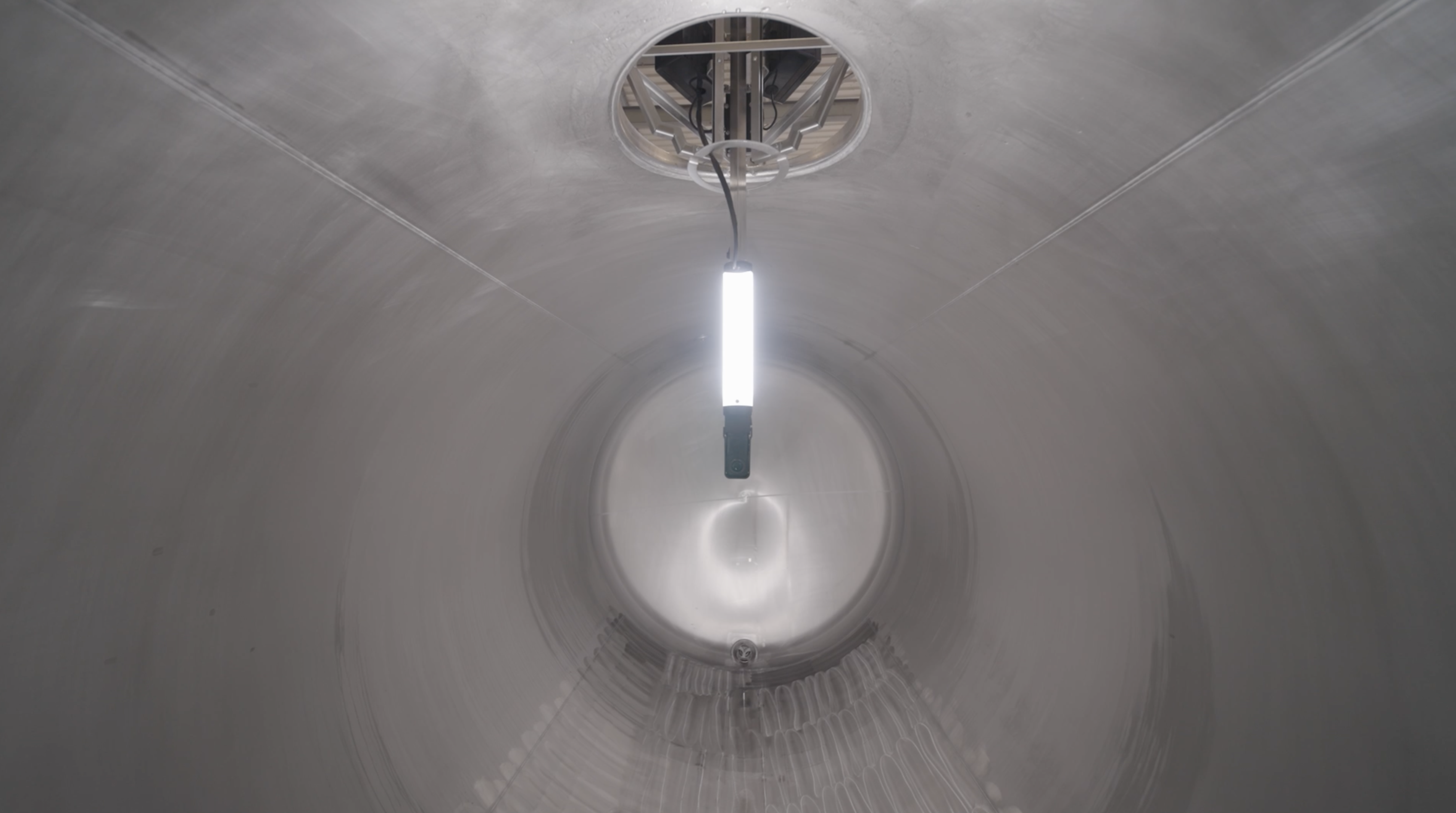
Workflow
From scan to usable quality record.
ScanTank combines inspection hardware, controlled image capture and AI analysis into one repeatable workflow. The result is a clearer decision at the inspection moment and a stronger file afterwards.
Identify
Identify the trailer or container to be inspected with ScanTank in your inspection lane, using automatic OCR recognition.
Scan
Bring the mobile ScanTank module to the container and scan each manhole or hatch. Each scan takes five seconds.
Assess
On the operator screen, review the high-resolution 360° images, assess the tank with AI support and approve or reject based on the results.
ECD
Scan the EFTCO cleaning document (ECD). The system automatically matches it to the inspection record it belongs to.
Insights
View all scans in the web portal, generate weekly or monthly reports and gain insight into performance across carriers and cleaning stations.
Fast cleanliness inspection
A 360° tank view in seconds.
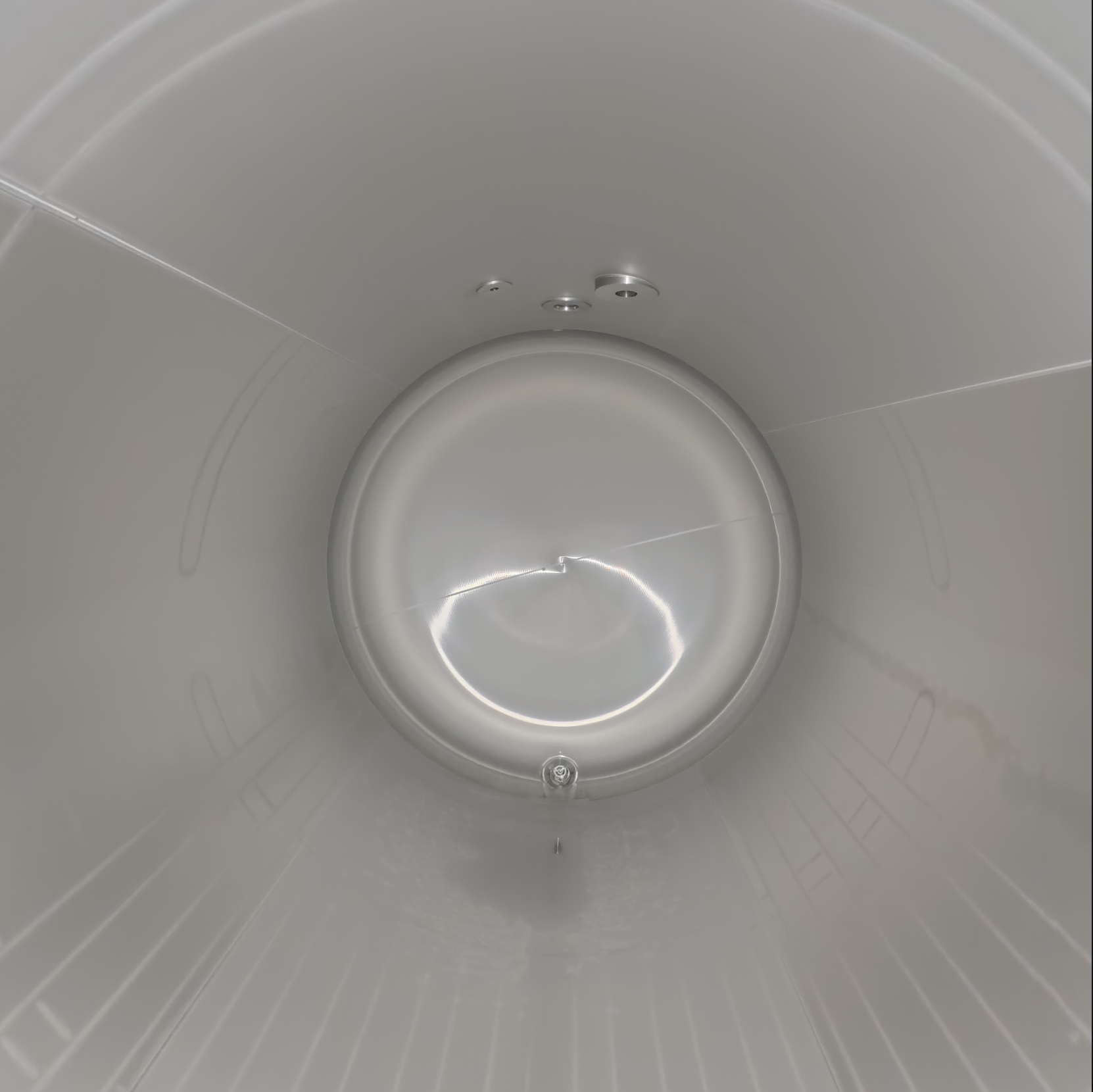
Each manhole scan takes about five seconds and captures a complete 360° interior view. Before loading, after cleaning or when equipment leaves a depot, you get a stored inspection record and can approve or reject immediately.
Compact and mobile scanning module to keep inspection moving in daily operations.
Our system supports inspection through 500mm manholes and 300mm inspection hatches, including baffled tanks.
Our system helps you assess the tank quickly, so rejected trucks and lost loading time are less likely.
AI Detection Technology
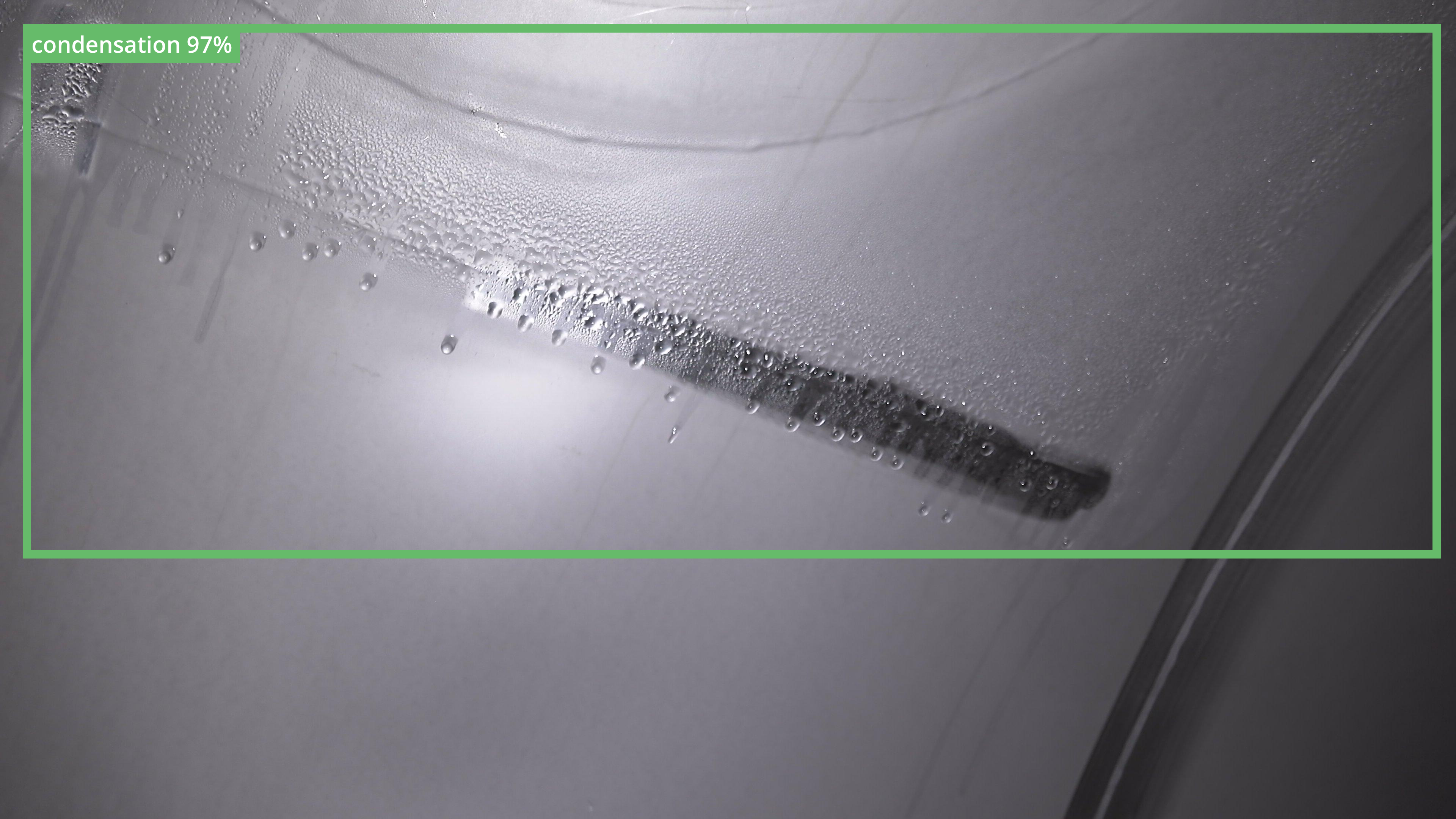
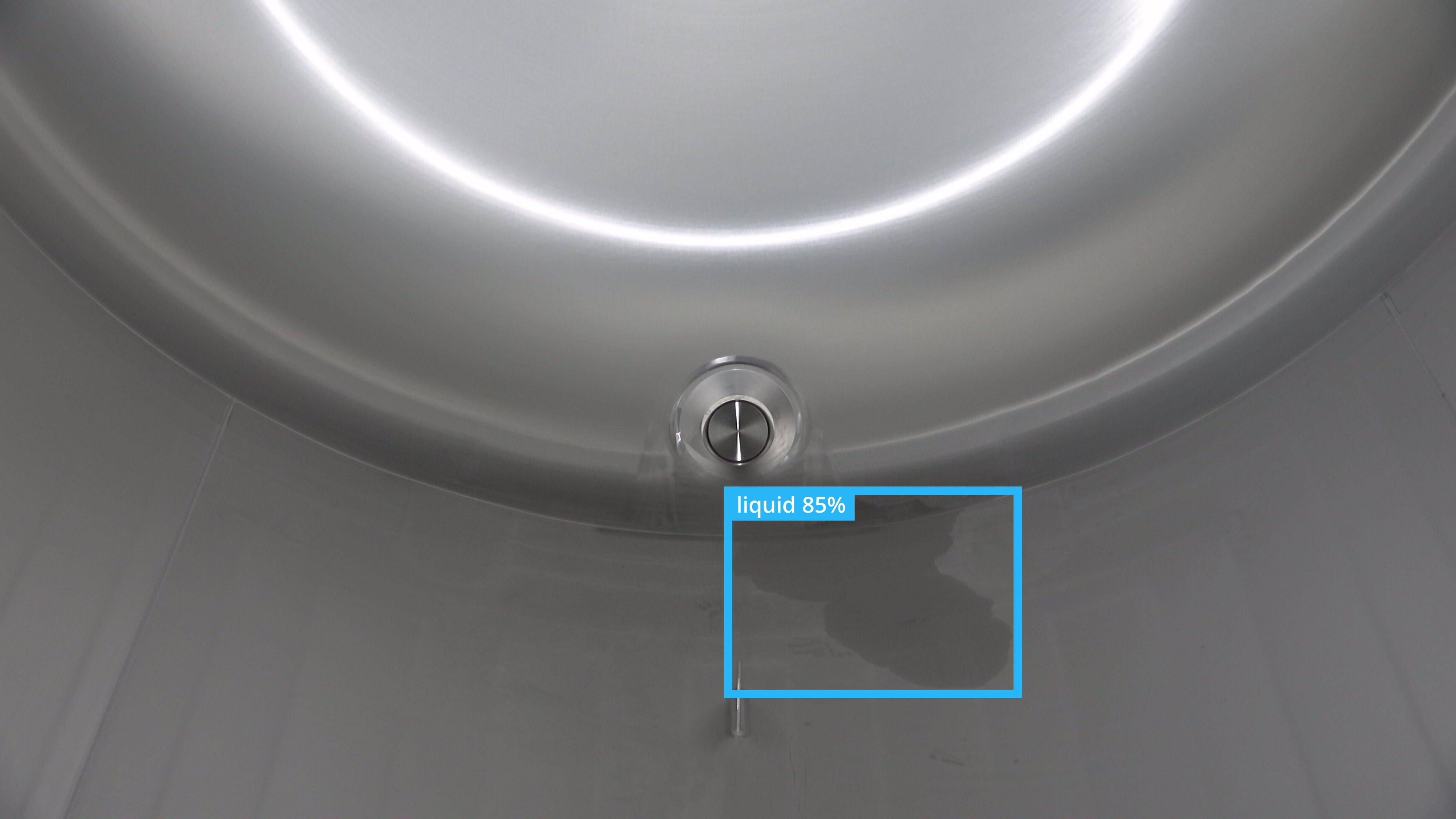
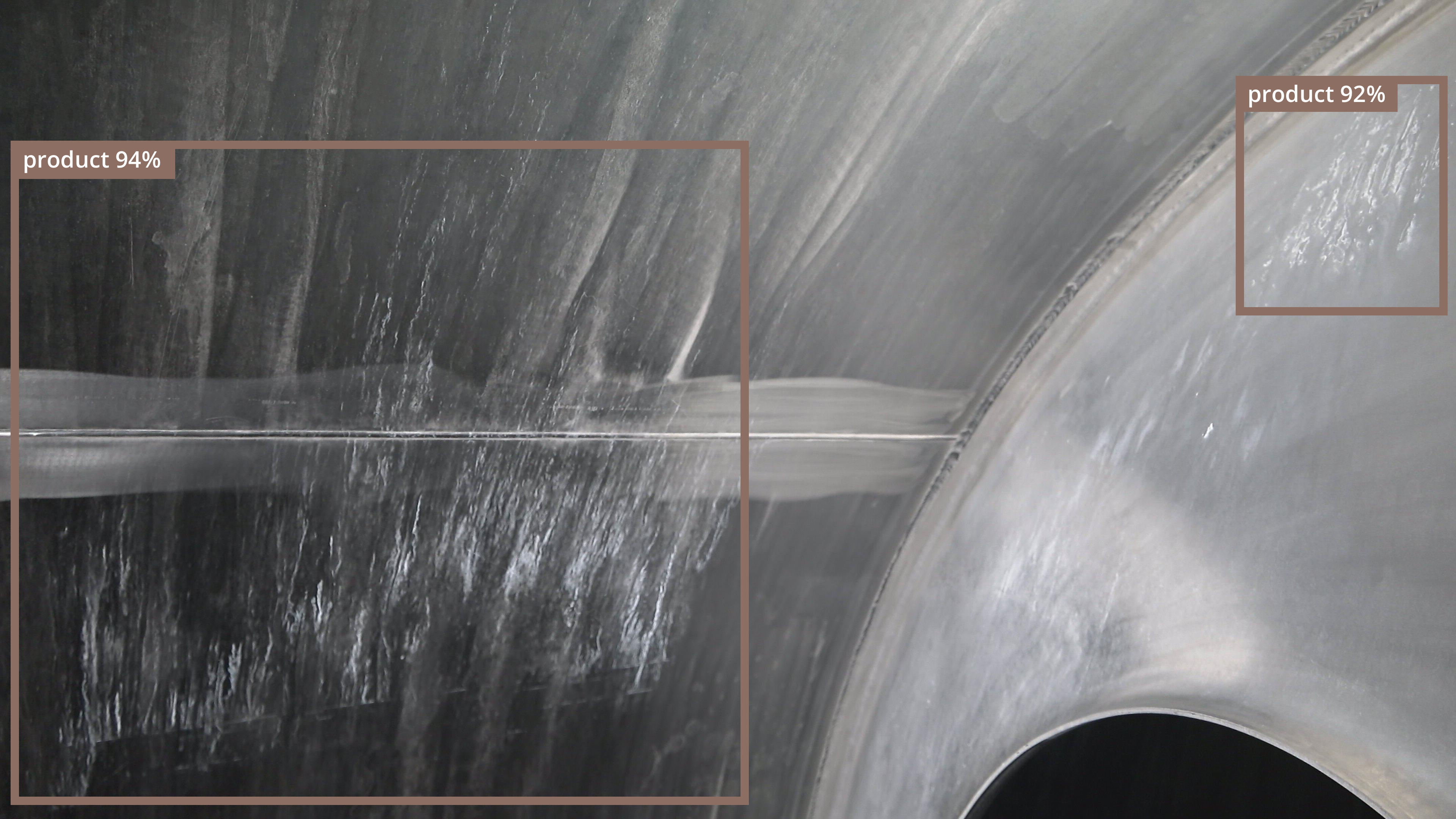
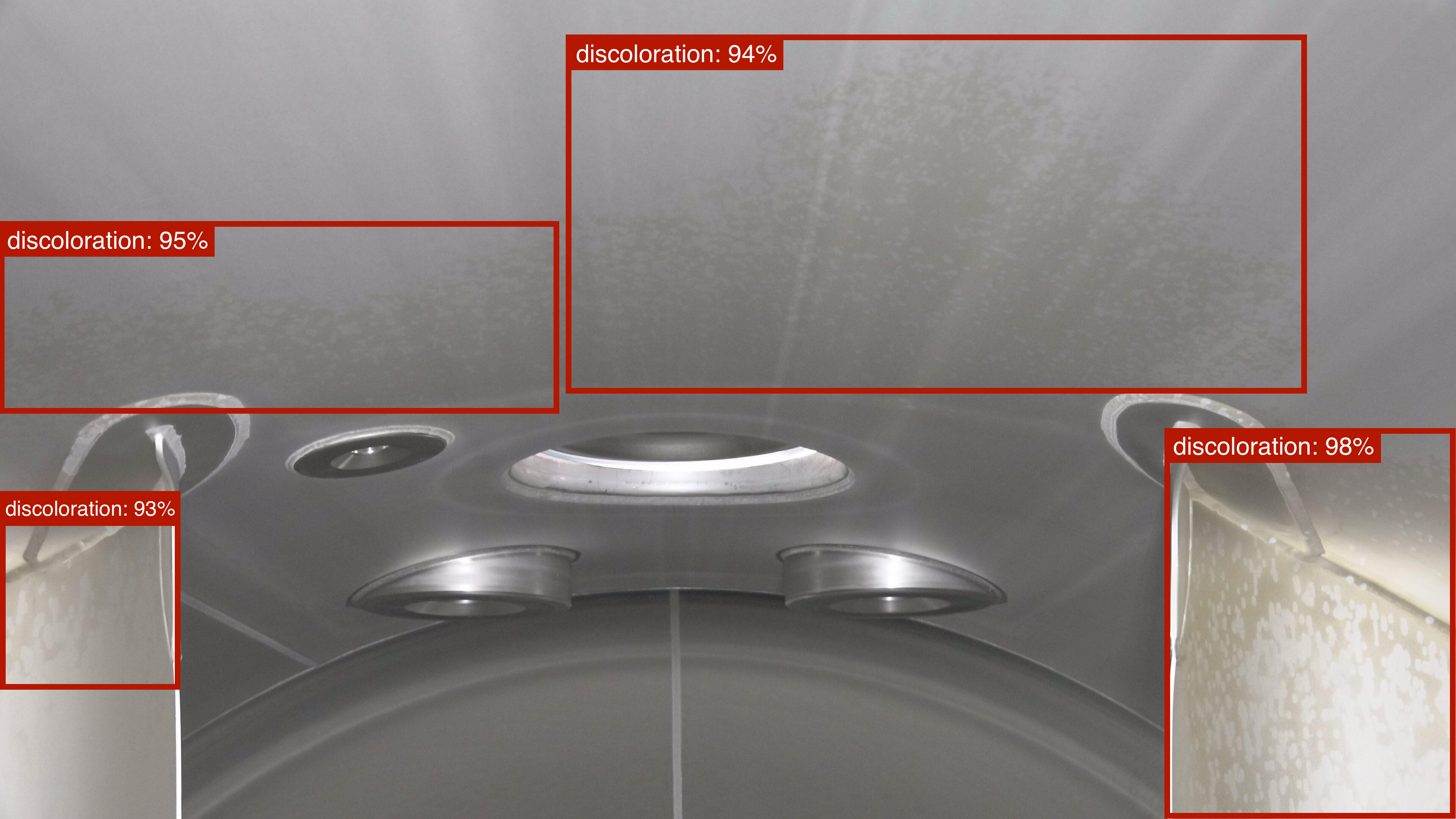
ScanTank's AI helps operators review tank interior images for visible cleanliness issues. It can detect product residue, discoloration, condensation, liquid and other anomalies, making cleanliness assessment more consistent and less dependent on a quick subjective look.
Web Portal
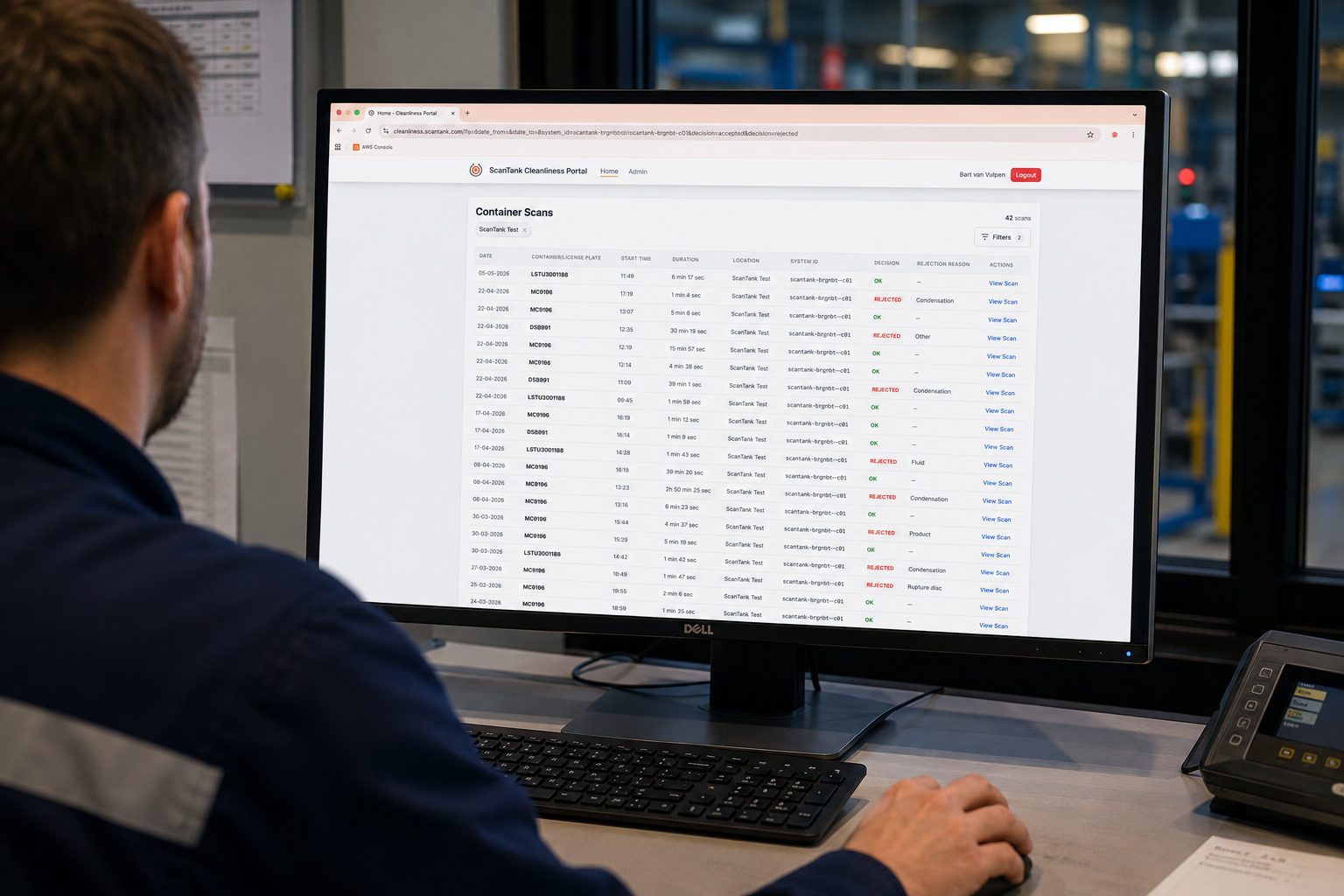
The Cleanliness Inspection System comes with a web portal where users can view all scans, the matched ECDs, images, results, rejection reason, decision, scan duration and more. Based on all collected data, teams can also generate reports and insights on rejection rates and reasons, and compare performance across cleaning stations, carriers and other parts of the operation.
Quality assurance
Turn tank cleanliness checks into a consistent, evidence-backed QA step.
Release tanks with clearer grounds
When a trailer or ISO tank container is inspected before use, the decision rests on stored images and scan results rather than a quick subjective look through the hatch.
Same criteria on every shift
Operators at loading stations, cleaning stations and depots follow the same inspection flow, so assessment does not depend on who happens to be on duty.
Trace issues back when quality is questioned
Visible cleanliness issues can be traced back through stored scan records, making it easier to investigate PQ incidents, rework and customer claims.
Safety
Keep drivers and operators safer during cleanliness inspection.
No tank entry for a visual check
Interior cleanliness can be assessed without sending someone into the tank for a first-pass visual.
No leaning over the manhole
The scan is done from outside the opening, so people do not need to position themselves over the hatch for a first visual check.
Less time in risky positions at busy sites
A short interior scan from outside the hatch replaces prolonged handling at the manhole during handover, loading or depot release.
Trust
Create a shared cleanliness record that carriers, cleaning stations and producers can stand behind.
One record per tank identity
Each scan is linked to the trailer or container, so visual proof stays tied to the equipment that moved through the process.
Cleaning proof aligned with inspection
Matched ECDs and scan data sit in the same file, giving both sides a clearer basis when cleanliness is questioned.
Evidence for review, claims and follow-up
Stored images, decisions and rejection reasons remain available when quality teams, customers or partners need to look back at what was decided and why.
Video